

Seiwakai Goju-Ryu
About Seiwakai
Seiwakai Goju-Ryu
Seiwakai, founded by Hanshi Shuji Tasaki in 1971, holds a significant place in the history of karate and is recognized as one of the prominent Goju Ryu organizations worldwide. The name "Seiwakai" is derived from the Japanese words "Sei," meaning pure or sincere, and "Wa," representing harmony or peace.
Philosophy & Principles
These principles form the foundation of the organization's philosophy, emphasizing the pursuit of excellence in martial arts while promoting inner peace and unity. The fundamental philosophy of Goju Ryu, with its integration of hard and soft techniques, resonated deeply with Shuji Tasaki during his training.
Traditional Roots
The roots of Seiwakai can be traced back to the traditional Goju Ryu style, which was originally developed by Master Chojun Miyagi in Okinawa in 1930. This connection to the original teachings ensures authenticity and preserves the rich heritage of Goju-Ryu karate.
Founder's Legacy
Hanshi Shuji Tasaki
Hanshi Shuji Tasaki (1933 – 2011) is the Founder of Seiwakai Goju Ryu. He began training in Goju Ryu in 1952 under the tutelage of Gogen Yamaguchi Sensei, one of the most influential figures in Goju-Ryu karate.
Tasaki Hanshi was Yamaguchi's top student and was a revered Karate-ka at the time. With his exceptional fighting prowess and unwavering dedication to karate, Tasaki earned a reputation as a formidable fighter and an influential instructor.
After Yamaguchi's passing and the introduction of the JKF Goju Kai, he formed Seiwakai (in 1972) and continued to pursue his karate growth and knowledge, growing Seiwakai into one of the most successful Goju Ryu Schools in Japan and later internationally.
He was awarded 9th Dan in the Japan Karate Federation (JKF) Goju Kai in 2009, and passed away on 30th January 2011, leaving behind a lasting legacy in the world of martial arts.
Current Leadership
Chief Instructors
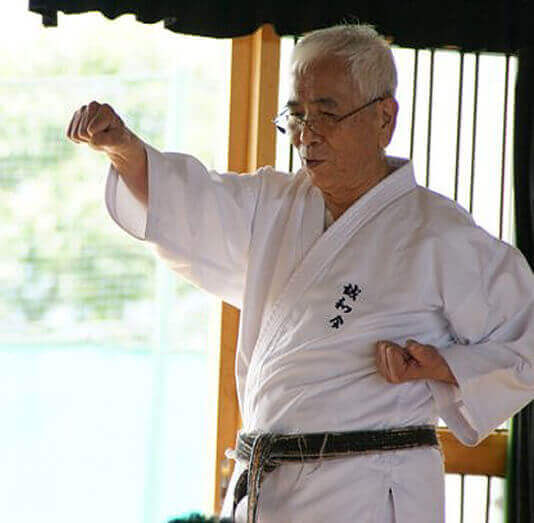
Seiichi Fujiwara Hanshi
Chief Instructor of Seiwakai Goju Ryu and 8th Dan JKF Goju Kai. Born in 1950, he began training under Gogen Yamaguchi Sensei and started training under Shuji Tasaki Hanshi in 1974.
International Reach
Fujiwara Hanshi serves as a senior member of the Overseas Committee for the JKF Gojukai and is President of the Gojuryu Karatedo Seiwakai Association, one of the largest Gojuryu Karatedo Associations in the world.


Glenn Stephenson Shihan
Head of Style in Australia and 7th Dan, Kyoshi Shihan. He is the president and Chief Instructor for Goju Ryu Karate do Seiwakai Australia and Director, Gojuryu Karate do Seiwakai Oceania. He became world champion in kata compitition in 1994 (world karate federation championship)
Global Network
Fujiwara Hanshi travels to teach mainly Europe and America. Currently his students number over 8,500 and in his home region, Omagari City he instructs 150 students at the 7 branches.
Lineage
The Great Masters
Master Chojun Miyagi
Founder of Goju Ryu Style
The original founder who developed the Goju Ryu style in Okinawa in 1930, establishing the foundation for all subsequent generations.
Gogen Yamaguchi
The Cat
One of the most influential figures in Goju-Ryu karate, known for his dynamic fighting style and charismatic leadership.
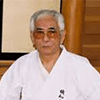
Hanshi Shuji Tasaki
9th Dan - Founder of Seiwakai Goju Ryu
Founded Seiwakai in 1971, becoming one of the most successful Goju Ryu schools in Japan and internationally.
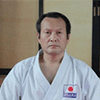
Hanshi Seiichi Fujiwara
8th Dan - President of Goju Ryu Karate Do Seiwakai
Chief Instructor of Seiwakai Goju Ryu and President of the Gojuryu Karatedo Seiwakai Association, one of the largest Gojuryu Karatedo Associations in the world.

Kyoshi Glenn Stephenson
7th Dan - President & Director for Australia
Head of Style in Australia and President of Goju Ryu Karate do Seiwakai Australia. World champion in kata competition in 1994.
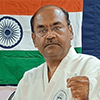
Shihan Pradeep Parekh
6th Dan - Chief Instructor of India
Leading the Seiwakai tradition in India, promoting the authentic Goju Ryu teachings and philosophy.
Benefits of Training
Seven Reasons to Learn Karate
1. Improved Concentration
Karate training enhances focus and mental clarity, which can translate to other areas of life, such as academics or career.
2. Self-control and Confidence
Regular practice helps develop emotional regulation, leading to increased confidence and self-assurance.
3. Moral Values
Karate emphasizes respect, discipline, and self-awareness, promoting personal growth and character development.
4. Self-defense Skills
Learning karate equips students with the ability to protect themselves in potentially dangerous situations.
5. Teamwork and Cooperation
Partner and group training foster collaboration, communication, and mutual support.
6. Mental Relief and Stress Reduction
Physical activity and focused training can help alleviate stress and improve mental well-being.
7. Fun and Engaging Activities
Karate training often incorporates games and exercises, promoting enjoyment, enthusiasm, and overall physical health.
Holistic Development
All above benefits highlight the holistic nature of karate training, which can positively impact physical, mental, and emotional well-being.
International Seminars
Global Training Programs
Fujiwara Hanshi also gives overseas guidance to Hong Kong, Europe, the United States & Australia. An overseas seminar is held every July in Daisen City, Akita Prefecture, where students from around the world travel to train with Fujiwara Hanshi to develop their skills and knowledge.
He also instructs High School students at the Omagari Tachidake Gymnasium (Budokan), demonstrating Seiwakai's commitment to youth development and education through martial arts.
The organization's global reach and commitment to traditional training methods have made Seiwakai one of the most respected Goju-Ryu organizations worldwide, maintaining the highest standards of martial arts excellence while promoting the core values of sincerity, harmony, and peace.